Directory monetization ideas
A breakdown of proven monetization strategies for directory websites, how they work, and real directories using each model successfully.
On this page
- 1. Pay to Submit / Subscription
- 2. Paywall / Gated Access
- 3. Featured Listings / Premium Placement
- 4. Advertising / Ad Spots
- 5. Claim Listing Flow
- 6. Pay Per Lead / Inquiry
- 7. Affiliate Commissions
- Stacking Multiple Revenue Streams
- Final Thoughts
- Monetize your directory with Listable
Directory ideas series
This guide isn’t about the tactics of acquiring paying customers or implementing payment systems - it’s about understanding the different monetization models available to you.
Think of this as a first step or a reference for what’s possible. Some models will suit your niche better than others, and many directories combine several approaches. Use this to identify which strategies align with your directory’s strengths and audience, so you know what to build towards.
1. Pay to Submit / Subscription
Charge businesses to add their listing-either as a one-time fee or recurring subscription.
How it works:
- One-time fee: Flat rate ($10–$500+) for permanent listing
- Subscription: Monthly/annual fee ($10–$100+/month) to stay listed
- Multi-step forms are often used with payment at the end to maximize conversions.
- Optional add-ons (added to newsletter, dofollow links etc) are often used to increase revenue per submission.
Real examples:
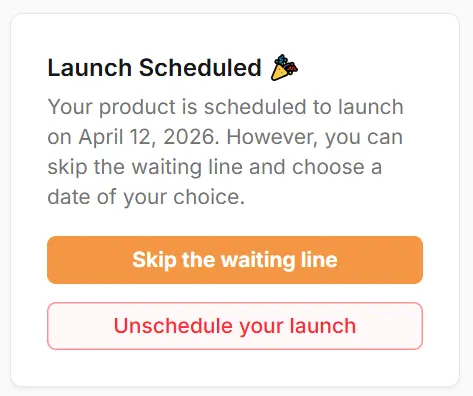
- Uneed – Charges for immediate submissions to their curated product directory. Free submissions need to wait in a queue.
Pay to skip the queue:
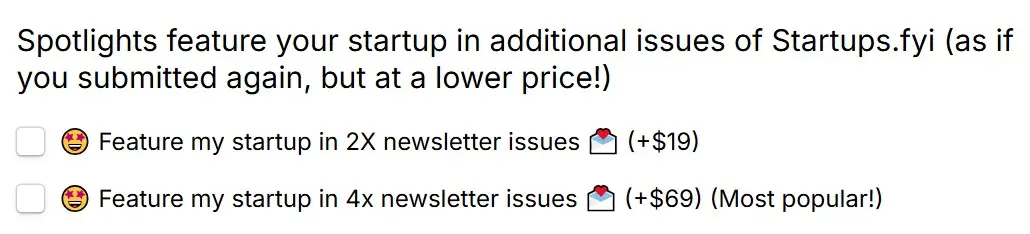
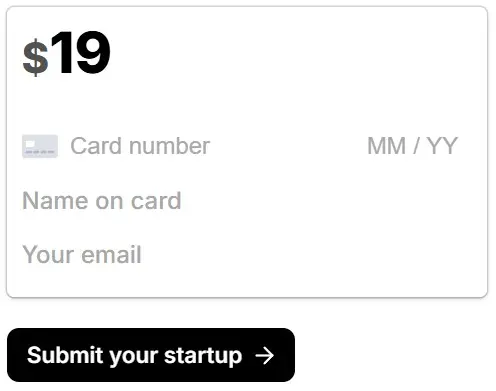
- StartupsFYI – Uses a multi-step submission form with payment at the end, plus optional add-ons (featured placement, social shares, newsletter inclusion) to maximize revenue per submission
Checkout component and optional add-ons on final step:
Strengths
- Direct, predictable revenue
- Filters for serious businesses
- Low ongoing effort once set up
Limitations
- Businesses need clear ROI to justify payment
2. Paywall / Gated Access
Charge users (not businesses) to access the directory content.
How it works:
- Free users see limited listings or partial information
- Paid members get full access to all listings, contact details, or advanced data
- Can be metered (X free views/month) or hard paywall (subscribe to see anything)
- Works especially well when data is valuable and/or hard to find elsewhere (lead databases for example)
Real examples:
- Crunchbase – Free basic company profiles, but advanced data (funding details, contact info, search filters) requires Pro subscription ($29–$99/month)
Call to action, selling the benefits of the subscription:

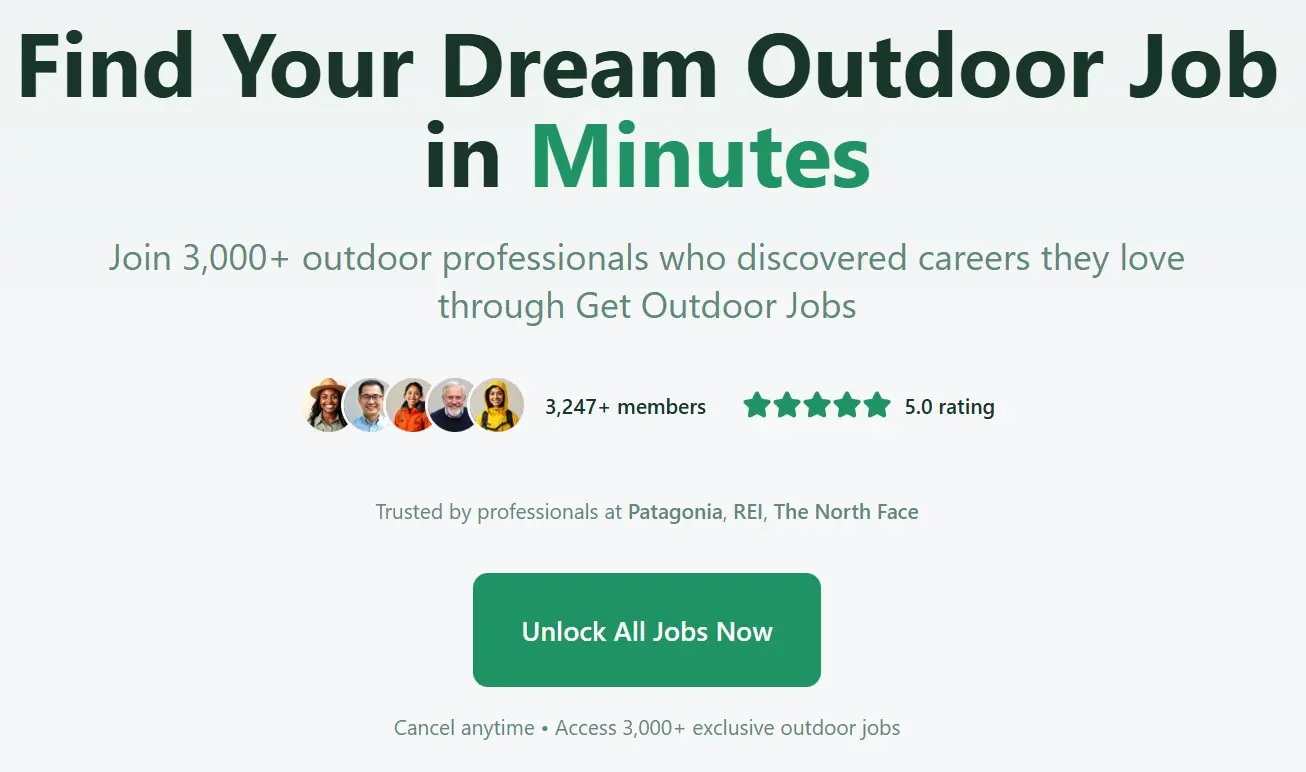
- GetOutdoorJobs.com – Job board offering a limited number of listings free. Premium accounts have full access to all listings and UI features (search, filters etc.)
Call to action, selling the benefits of the subscription:
What to gate:
- Contact details (email, phone, address)
- Full listing descriptions
- Advanced search/filters
- Export/download functionality
Strengths
- Recurring subscription revenue
- Data remains valuable asset
- Users pay for access, not businesses
Limitations
- Data must be uniquely valuable
- Reduces organic traffic and SEO potential
- Higher barrier to user adoption
Best for: Job boards, lead databases, investor directories, and any directory where the data itself has ultra high value to users.
3. Featured Listings / Premium Placement
Let businesses pay to appear at the top of search results or category pages.
How it works:
- Basic listings are free or cheap
- Featured listings appear first, are highlighted, or get special badges as well as other benefits (mentions in newsletters, featured on social media etc)
- Can be one-time purchase or recurring subscription
Real examples:
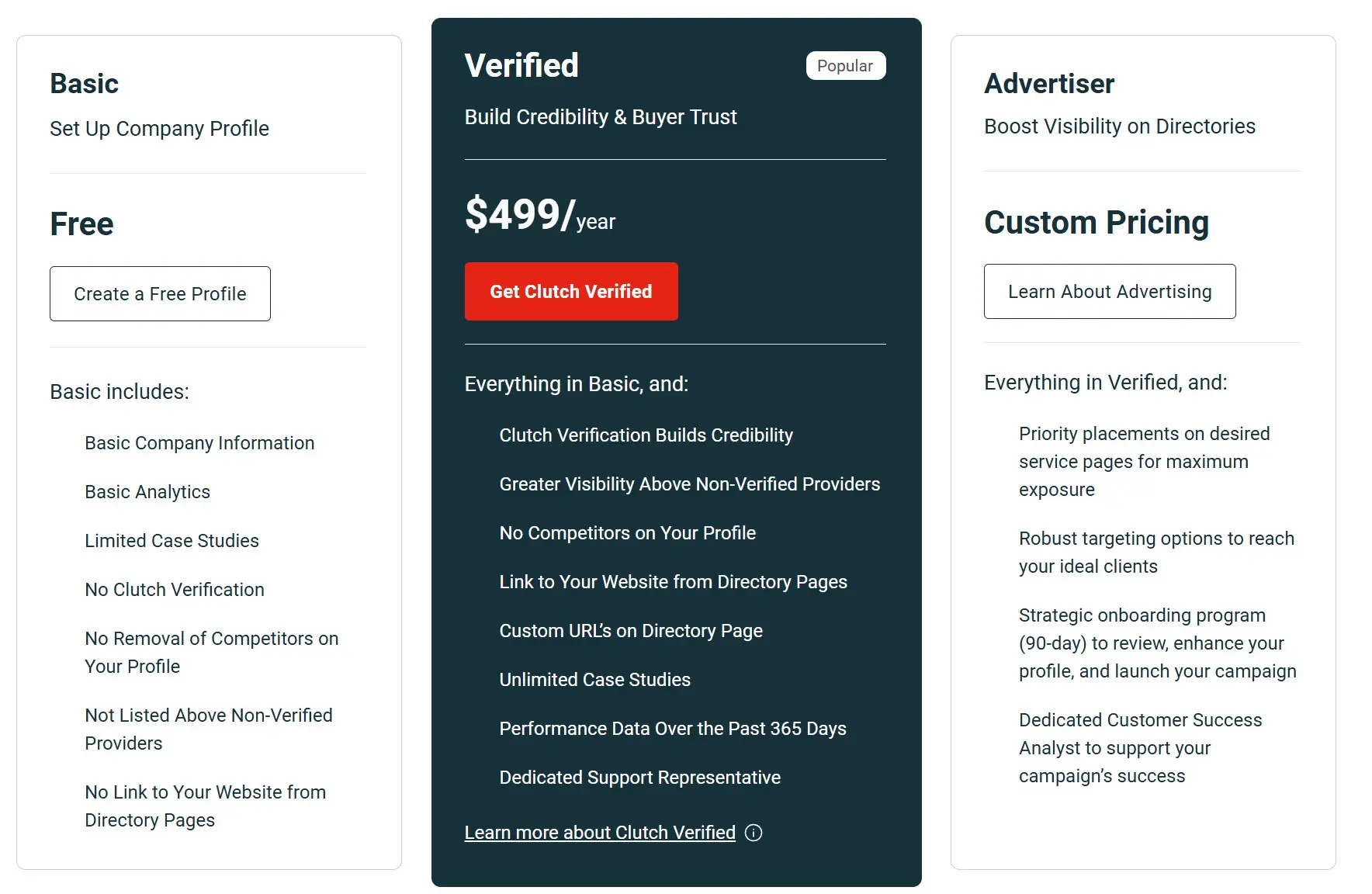
- Clutch.co – Free to list but paid usres get additional visibility and other benefits.
Pricing cards, clearly outlining the benefits of paying:
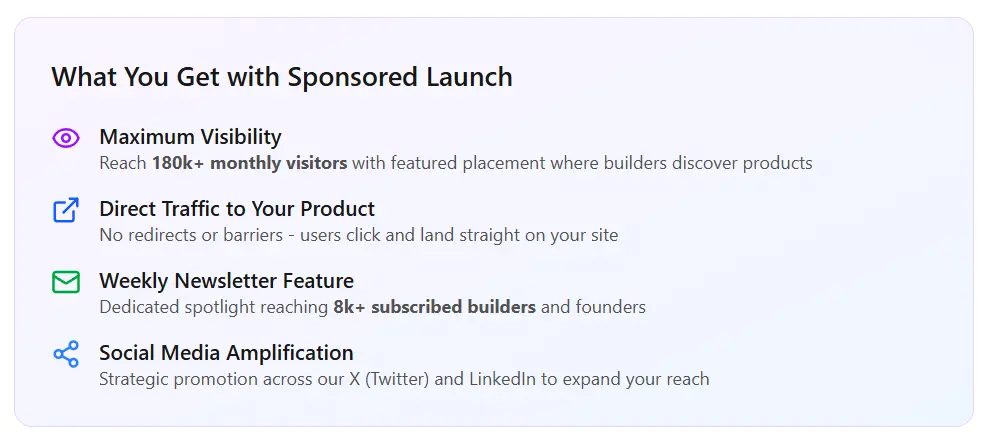
- Peerpush.net – Users can pay for a featured spot (as well as other benefits).
Callout box, clearly outlining the benefits
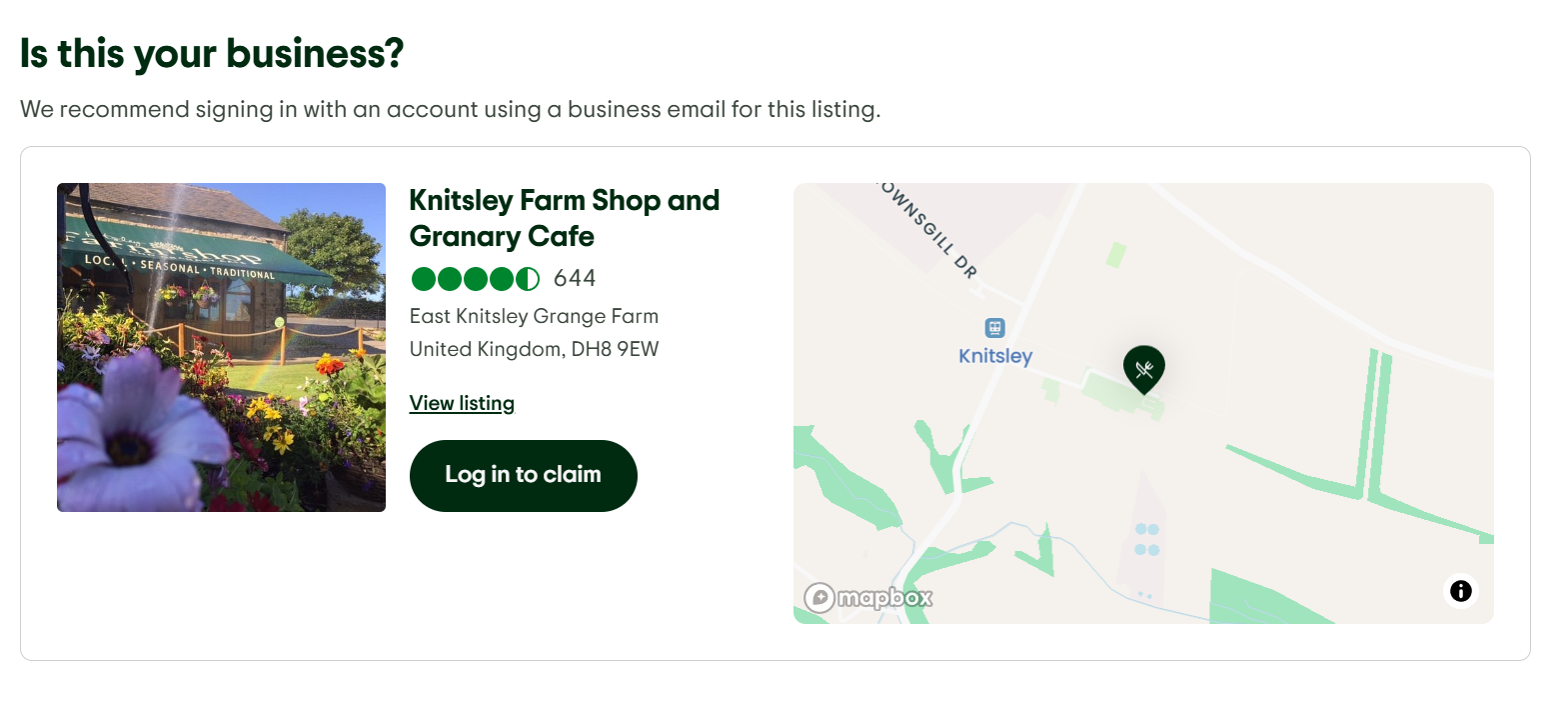
- TripAdvisor – Sponsored placements for hotels and restaurants
Strengths
- Easy to implement
- Scales with traffic
Limitations
- Requires meaningful search traffic
- Can reduce user trust if overused
- Limited inventory (only so many top spots)
4. Advertising / Ad Spots
Sell banner ads, sidebar ads, or sponsored content placements.
How it works:
- Display ads via networks (Google AdSense, Mediavine, Ezoic)
- Sell direct ad placements to businesses in your niche
- Sponsored content, newsletter sponsorships, or native ads
Real examples:
- Yellow Pages – Banner ads
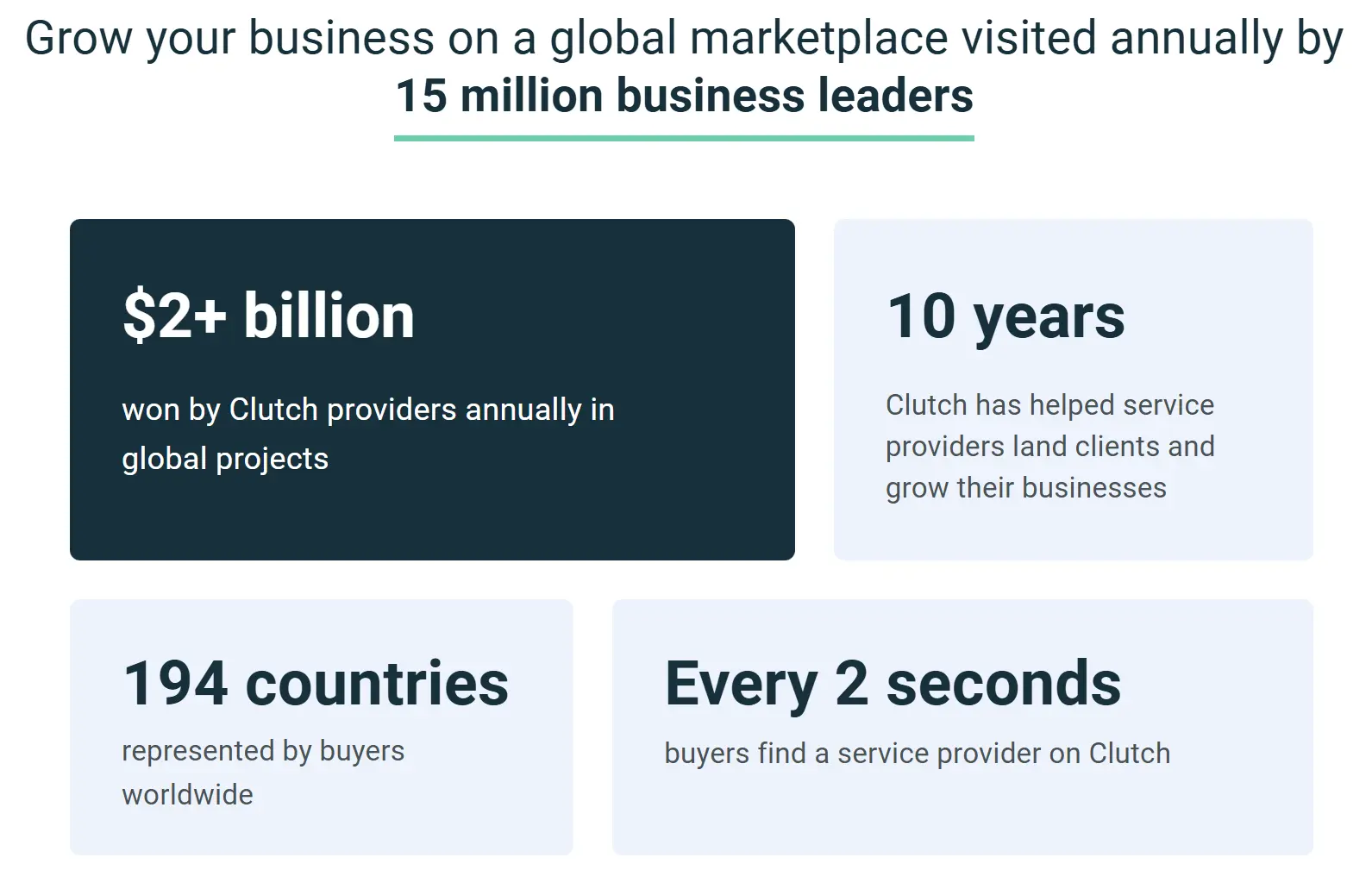
- Clutch.co – Sells sponsored ad placements alongside organic listings
Selling the benefits:
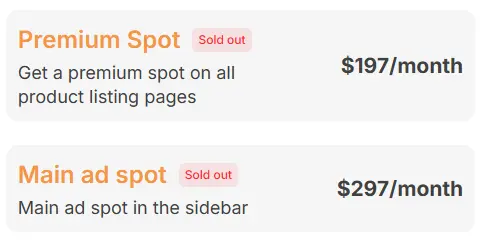
- Uneed.best – Sells various ad slots, supports newsletter sponsorships & more
Ad options:
Strengths
- Passive income once set up
- Multiple pricing models available
- Can complement other revenue streams
Limitations
- Requires significant traffic volume
- Can degrade user experience
- Ad blockers reduce revenue
5. Claim Listing Flow
Pre-populate your directory with business data, then charge owners to “claim” and manage their listing.
How it works:
- You scrape or manually add business listings (public data)
- Businesses find themselves listed (often via Google)
- They pay to claim ownership, edit details, add photos, respond to reviews
- Claimed listings get verified badges and more features
Real examples:
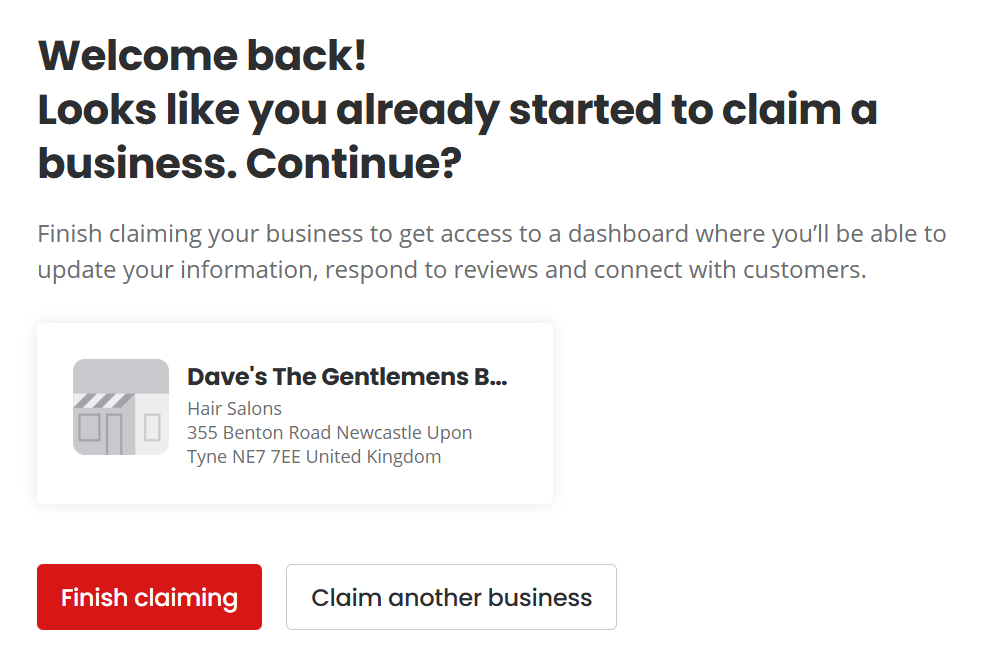
- Yelp – Businesses claim free listings, then upsell to premium features
Yelp claim flow:
- TripAdvisor – Hotels/restaurants claim and manage their presence
Yelp claim flow:
- Zomato – Restaurants claim listings to update menus and respond to reviews
Strengths
- Build content volume before monetizing
- Natural upsell opportunities
Limitations
- High initial setup effort
- Tough to sell until your directory is well known
6. Pay Per Lead / Inquiry
Charge businesses each time a potential customer contacts them through your directory.
How it works:
- User submits inquiry or contact request through your site
- Business pays $5–$100+ per lead (varies by industry)
- Contact details are hidden until the business pays to unlock
- Can be per-lead pricing or monthly lead packages
Real examples:
- HomeAdvisor – per lead depending on service type
- Bark – Professionals pay credits to respond to customer requests
Strengths
- High revenue per transaction
- Clear ROI for businesses
- Aligns your success with theirs
Limitations
- Requires lead tracking infrastructure
- Lead quality disputes can arise
- Only works for service-based niches
7. Affiliate Commissions
Earn commissions when users click through and make purchases.
How it works:
- Add affiliate links to listings (booking sites, software, products)
- Earn commission on completed purchases or signups
- Works alongside other monetization-not as primary revenue
Often used by:
- SaaS directories – Affiliate links to software signup pages
- Travel directories – Booking.com, Expedia affiliate integrations
Strengths
- No upfront cost to implement
- Passive once links are added
- Works alongside other revenue streams
Limitations
- Low conversion rates
- Dependent on third-party programs
- Usually supplementary income only
Stacking Multiple Revenue Streams
The most successful directories don’t rely on a single monetization method. They stack complementary streams:
| Directory | Primary Revenue | Secondary Revenue |
|---|---|---|
| Yelp | Sponsored listings, ads | Claimed listings, reservations |
| StartupsFYI | Paid listings | Ads/sponsorship |
| Uneed | Paid submissions | Ads, newsletter sponsorships |
| TripAdvisor | Affiliate commissions | Sponsored placements, ads |
| Clutch.co | Sponsorship fees | Lead generation |
| Crunchbase | Paywall subscriptions | Data API access |
Final Thoughts
Directory monetization isn’t necessarily about picking one model - it’s about finding the right combination for your niche and traffic level.
Start by providing genuine value. Build traffic. Establish trust. Then layer in monetization methods that align with how your users and listed businesses actually behave.
Monetize your directory with Listable
Ready to create a monetized directory?
Listable has built-in support for common monetization strategies:
- Pay to list - charge a one-off fee or a subscription to submit listings
- Pay to feature - charge a one-off fee or a subscription to feature a listing (can be optionally combined with the above)
- Paywall access - Gate content with soft paywalls (pay to access certain content) or hard paywalls (pay to access the site)